


To guide the implementation of Law No. 69/2025/QH15, which took effect on 01 January 2026, a number of legal normative documents have been issued and have been effective since 17 January 2026, including:
- Decree No. 24/2026/NĐ-CP dated 17 January 2026 of the Government: Regulating the lists of chemicals subject to the scope of regulation of the Law on Chemicals.
- Decree No. 25/2026/NĐ-CP dated 17 January 2026 of the Government: Providing detailed regulations and measures for organizing and guiding the implementation of a number of articles of the Law on Chemicals regarding the development of the chemical industry and chemical safety and security.
- Decree No. 26/2026/NĐ-CP dated 17 January 2026 of the Government: Providing detailed regulations and guidance for the implementation of a number of articles of the Law on Chemicals regarding the management of chemical activities and hazardous chemicals in products and goods.
- Circular No. 01/2026/TT-BCT dated 17 January 2026 of the Minister of Industry and Trade: Providing detailed regulations and guidance for the implementation of a number of articles of the Law on Chemicals and Decree No. 26/2026/NĐ-CP of the Government regarding the management of chemical activities and hazardous chemicals in products and goods.
- Circular No. 02/2026/TT-BCT dated 17 January 2026 of the Minister of Industry and Trade: Regulating a number of measures for the implementation of the Law on Chemicals and Decree No. 25/2026/NĐ-CP of the Government regarding the development of the chemical industry and chemical safety and security.
According to Notice No. 363/BCT-HC dated 17 January 2026 on coordination in implementing administrative procedures as stipulated in the Law on Chemicals No. 69/2025/QH15, the Ministry of Industry and Trade requests relevant units to urgently deploy, announce, and organize the implementation of administrative procedures, especially procedures for licensing the export and import of chemicals, in order to:
- Facilitate favorable conditions for enterprises.
- Ensure no disruption to the supply chain of input raw materials.
Bảo đảm không gián đoạn chuỗi cung ứng nguyên liệu đầu vào.
- Avoid additional logistics costs.
- Ensure timeliness, transparency, and consistency in the processing of applications.
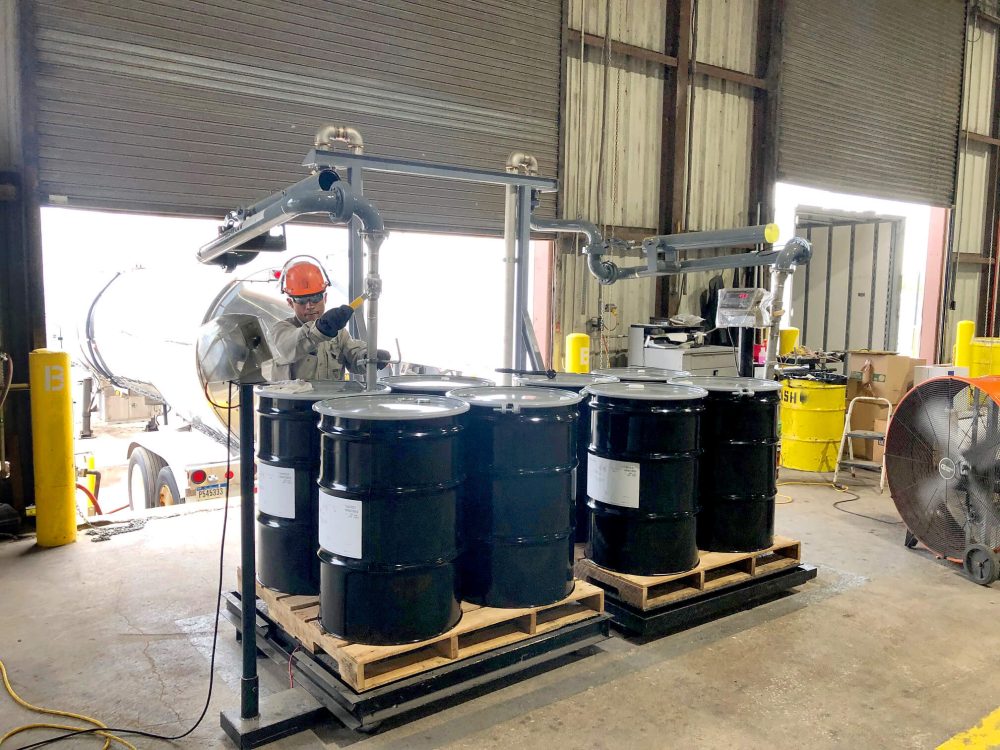
Illustrative image
Some new provisions in these documents that may affect the production and business activities of textile, garment, and footwear enterprises include:
- Danh mục hóa chất cần phải xây dựng Kế hoạch phòng ngừa, ứng phó sự cố hóa chất
- Definition of toxic substances
- Obligations of organizations and individuals storing chemicals
- Limits on hazardous chemical content in products and goods
- Contents and templates of Safety Data Sheets (SDS)
- Principles for chemical classification
These regulations will be integrated into Chemical Safety training courses periodically organized by RBV for participating enterprises.