


Responsible Business Vietnam respectfully announces the National Day holiday schedule of our Company from August 31, 2026 to September 2, 2026.
Activities
Holiday Announcement: National Day 2026
Responsible Business Vietnam respectfully announces the National Day holiday schedule of our Company from August...
Continue reading
Activities News
RBV is proud to be officially selected by ILO as the Implementation Partner of the Better Work Vietnam Programme
Responsible Business Vietnam Co., Ltd. (RBV) has been officially selected by the International Labour Organization...
Continue reading
17
Aug
Aug

News
Decree 292/2026/ND-CP: Vietnam Officially Bans the Import of Goods Linked to Forced Labor
On 22 July 2026, the Government issued Decree No. 292/2026/ND-CP detailing certain articles and measures...
Continue reading
24
Jul
Jul

News
OECD Releases 2026 Responsible Business Outlook
On 30 June 2026, marking the 50th anniversary of the OECD Guidelines for Multinational Enterprises...
Continue reading
11
Jul
Jul
News
Viet Nam and EFTA Conclude FTA Negotiations
News Viet Nam and EFTA Conclude FTA Negotiations after Nearly 14 Years: Implications for Businesses...
Continue reading
04
Jul
Jul
Activities, News
RBV is proud to be officially selected by ILO as the Implementation Partner of the Better Work Vietnam Programme
17
Aug
Aug
Responsible Business Vietnam Co., Ltd. (RBV) has been officially selected by the International Labour Organization (ILO) as the Implementation Partner of the Better Work Vietnam Programme to deliver factory engagement activities, following a rigorous assessment of its legal standing, technical expertise, governance systems and quality assurance mechanisms.
24
Jul
Jul
On 22 July 2026, the Government issued Decree No. 292/2026/ND-CP detailing certain articles and measures for implementing the Law on Foreign Trade Management, replacing Decree 69/2018/ND-CP. The Decree takes effect from 5 September 2026. For the first time, the List of Goods Banned from Import (Appendix I) adds a category of products wholly or partly extracted, produced, or manufactured through forced labor. The new regulation was issued as the United States, the EU, Australia, the United Kingdom, and other trading partners are simultaneously tightening supply chain controls on forced labor.
11
Jul
Jul
On 30 June 2026, marking the 50th anniversary of the OECD Guidelines for Multinational Enterprises on Responsible Business Conduct (MNE Guidelines), the OECD released its first global assessment of responsible business conduct practices among the 10,000 largest listed companies worldwide and government policies across 52 countries.
04
Jul
Jul
News Viet Nam and EFTA Conclude FTA Negotiations after Nearly 14 Years: Implications for Businesses Exporting to These Markets? On 2 July 2026, Viet Nam and the European Free Trade Association (EFTA) — Iceland, Liechtenstein, Norway and Switzerland — officially announced the conclusion of negotiations on a comprehensive Free Trade Agreement, opening a new gateway…
03
Jul
Jul
On 30 June 2026, the European Commission published the Forced Labour Single Portal together with a set of guidance materials to help businesses, authorities and other stakeholders prepare for the EU Forced Labour Regulation — the rule that bans products made with forced labour from entering the EU market.
16
Jun
Jun
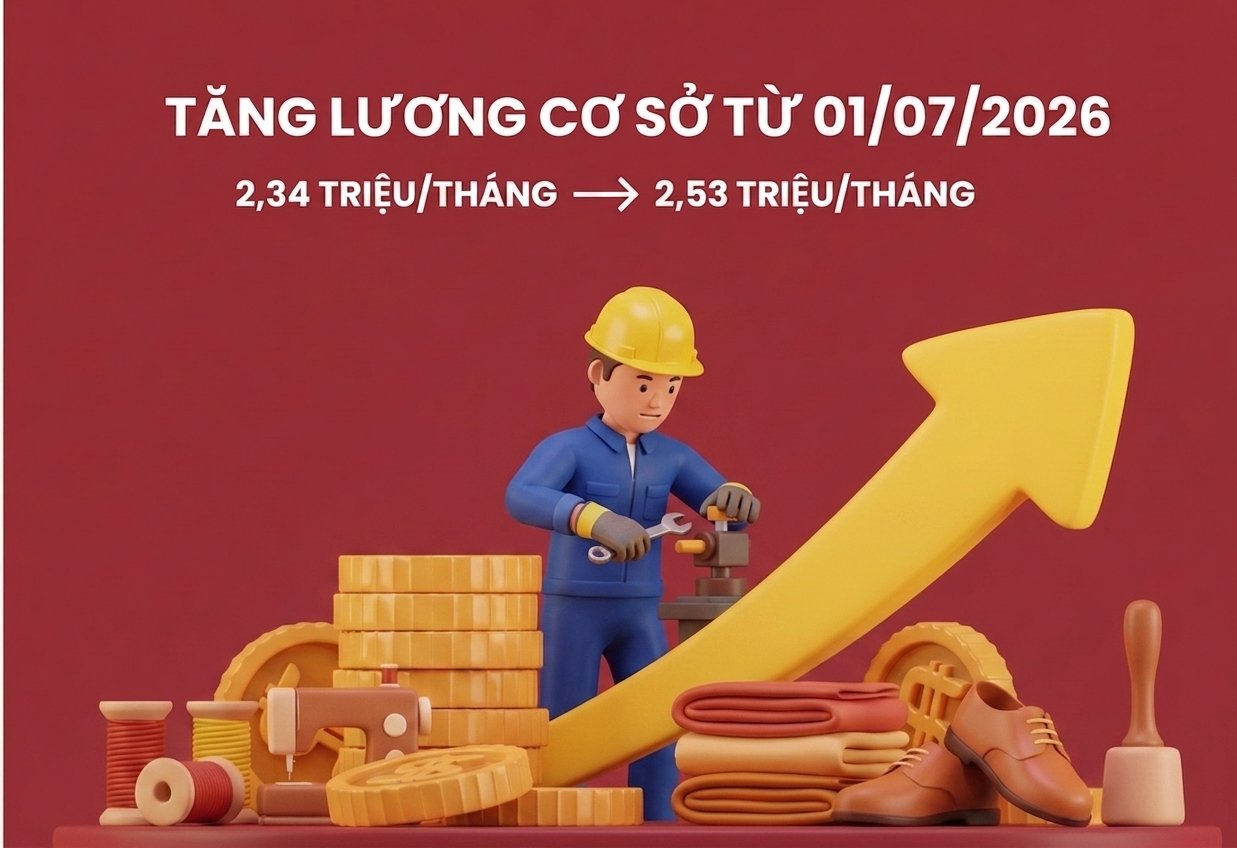
From 1 July 2026, Decree No. 161/2026/NĐ-CP, which adjusts the base salary applicable to cadres, civil servants, public employees and the armed forces, officially takes effect. Although it does not apply directly to the private sector, the new base salary will trigger important changes to social insurance (SI) contribution and benefit levels that private-sector businesses and employees need to update in order to remain compliant.
Location: Hanoi/ HCM City (with frequent travel to provinces)
Application Deadline: 01 May 2026
Technical blog
Decree No. 69/2026/NĐ-CP: New provisions on fire safety violations effective from April 20, 2026.

06
Jun
Jun
Effective April 20, 2026, the regulatory framework governing sanctions for fire safety violations will undergo a comprehensive overhaul, imposing stricter compliance duties on businesses across all industries and scales.

31
May
May
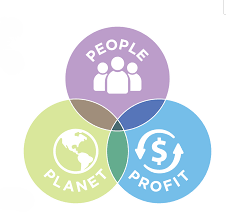
The Programme aims to support private sector businesses — including enterprises, business households, and cooperatives — to grow with higher quality and efficiency, balancing economic performance with social responsibility and environmental protection.
31
May
May
There was a time when “doing good” was seen as a bonus — something a business might do once the profits rolled in. Donate to a local school, sponsor a community event, plant a few trees. Nice to have, but not essential. That time is passing fast, and Vietnamese businesses are feeling the shift.
30
Mar
Mar
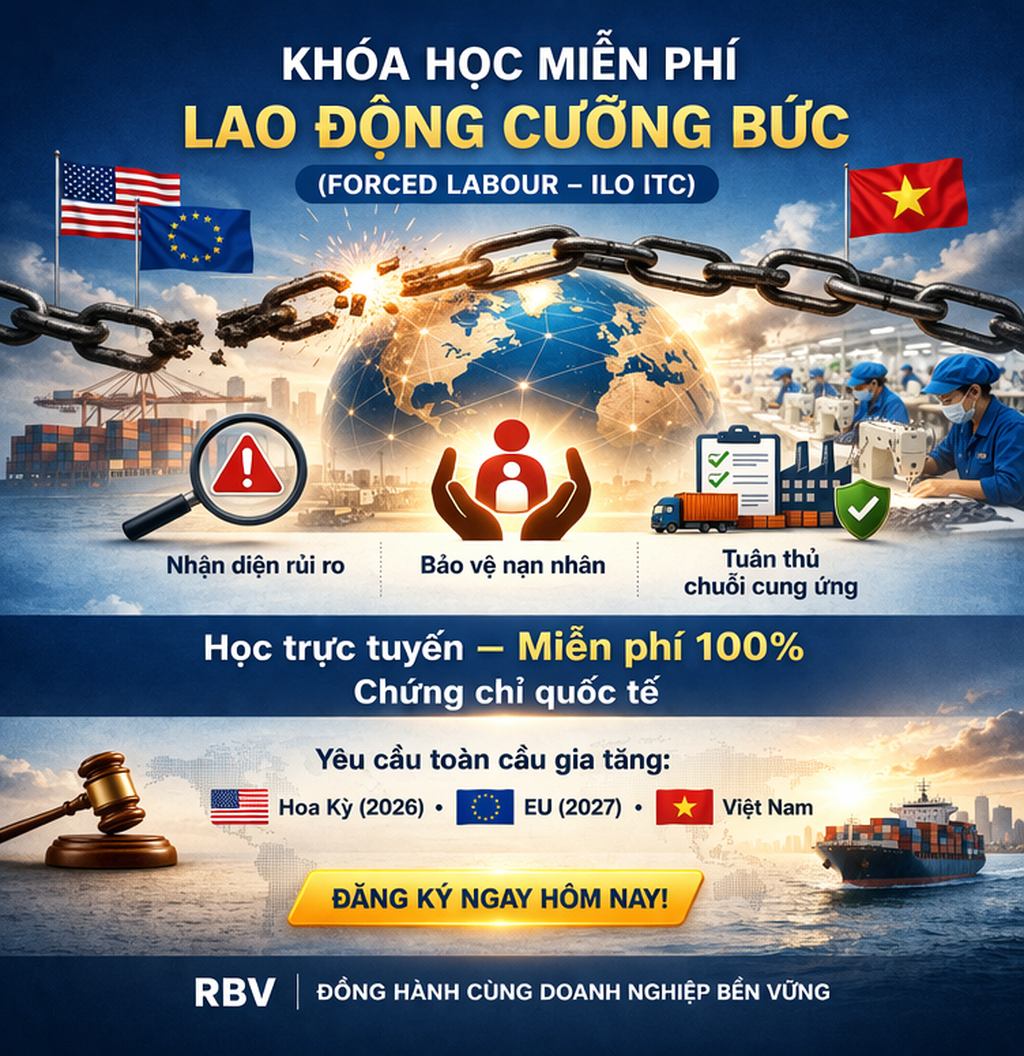
In the context of increasing pressure on global supply chains regarding transparency and social responsibility, understanding Forced Labour has become a mandatory requirement for export-oriented companies.
The International Training Centre of the ILO (ILO ITC) offers a free e-learning course on Forced Labour. This is a self-paced online course, designed to help participants gain in-depth knowledge and apply it in business operations and supply chains.
22
Mar
Mar
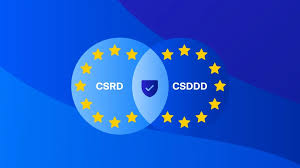
The adoption of the EU Corporate Sustainability Due Diligence Directive (CSDDD) marks a significant regulatory shift from voluntary commitments to legally binding obligations for companies to identify, prevent, mitigate, and remediate adverse human rights and environmental impacts across their operations and value chains.
News
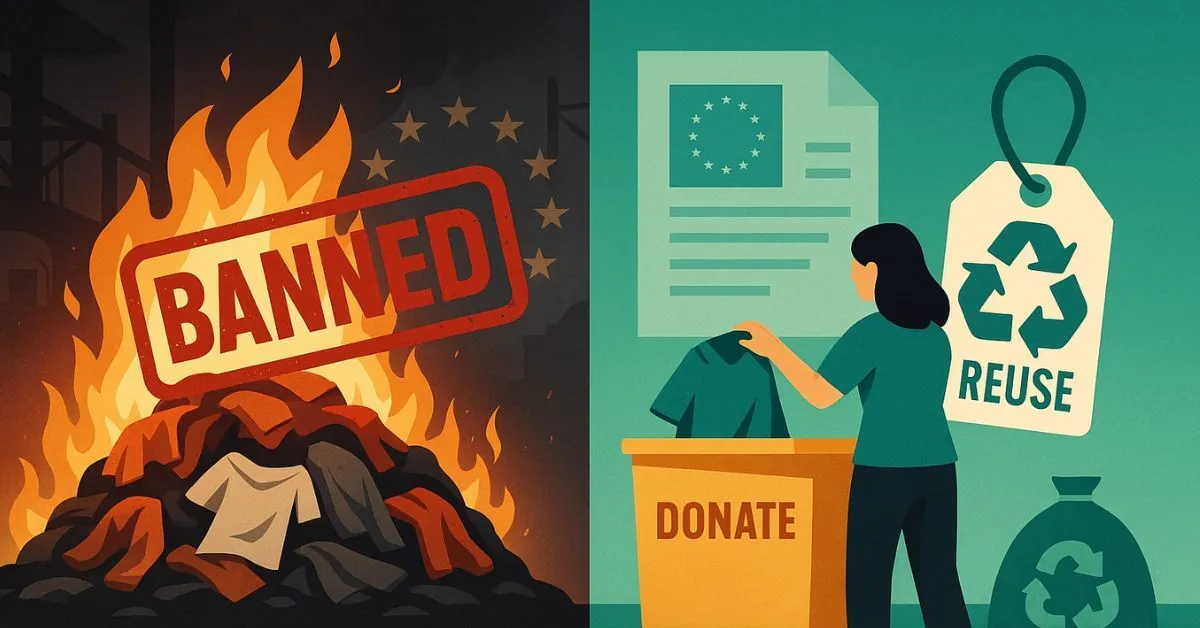
EU Bans Destruction of Unsold Clothes and Shoes: A Major Step for the Environment and the Circular Economy
20
Feb
Feb
On February 9, 2026, the European Commission officially adopted new rules under the Ecodesign for Sustainable Products Regulation (ESPR) aimed at preventing the destruction of unsold essential goods, particularly clothing, accessories, and footwear — one of the significant sources of resource waste and greenhouse gas emissions across the Union.
Technical blog
Circular No. 09/2026/TT-BTC: Electronic Social Insurance Book and Health Insurance Card

08
Feb
Feb
On February 3, 2026, the Ministry of Finance issued Circular No. 09/2026/TT-BTC regulating the creation and use of electronic social insurance books (SI) and electronic health insurance cards (HI) to replace paper versions.

31
Jan
Jan
The unemployment insurance contribution rate for workers with disabilities is reduced to 0% for the first 12 months from the date of new recruitment. This is one of the notable new provisions of the 2025 Employment Law and its implementing regulations, which take effect from 1 January 2026.

19
Jan
Jan
To guide the implementation of Law No. 69/2025/QH15, which took effect on 01 January 2026, a number of legal normative documents have been issued and have been effective since 17 January 2026
Technical blog
Personal Data Protection Regulations Effective from 1 January 2026: Why Should Businesses Pay Special Attention?

18
Jan
Jan
From 1 January 2026, the Law on Personal Data Protection No. 91/2025/QH15, together with Decree No. 356/2025/ND-CP guiding the implementation of the Law on Personal Data Protection, will officially take effect.
Technical blog
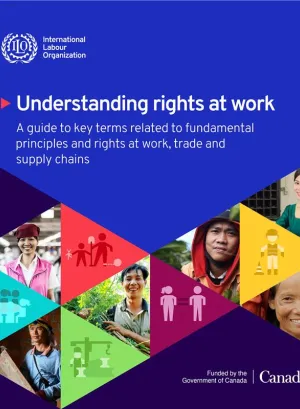
A guide to key terms related to fundamental principles and rights at work, trade and supply chains
06
Jan
Jan
This publication offers a practical, plain-language guide to the essential concepts that shape today’s world of work. It explains the fundamental principles and rights at work, key terms commonly used in trade agreements and labour governance, as well as the labour dimensions of global supply chains.
04
Jan
Jan
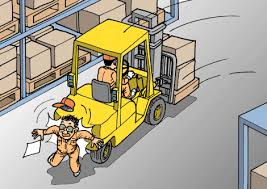
The textile and footwear industries are labor-intensive sectors, where factory spaces are often cramped, while the need for lifting and transporting goods by forklift (such as fabric rolls, finished-goods pallets, and raw and auxiliary materials) occurs continuously. For this reason, forklifts become one of the major sources of serious occupational accident risks if they are not managed and controlled with strict safety measures.

26
Dec
Dec
Government Decree No. 337/2025/ND-CP, issued on 24 December 2025, is an important legal document detailing regulations on electronic labor contracts and officially takes effect from 01 January 2026. The Decree was promulgated to operationalize provisions of the Labor Code and the Law on Electronic Transactions, meeting the requirements of digital transformation in the labor and employment sector.
Technical blog
Strengthening a Culture of Respect in the Vietnamese Garment Industry – A Case Study by IFC

24
Dec
Dec
A culture of respect in the workplace is not only a matter of compliance or social responsibility, but also delivers clear business benefits: improved productivity, reduced absenteeism and workplace accidents, stronger employee retention, and a reinforced position within the global supply chain.
Technical blog
Course: Business and Decent Work – Introducing the MNE Declaration and the Role of Business in Promoting Decent Work

24
Dec
Dec
The “Business and Decent Work” course is a free, self-guided E-learning module developed by the International Training Centre of the International Labour Organization (ITCILO). It aims to provide foundational knowledge of the ILO Tripartite Declaration of Principles concerning Multinational Enterprises and Social Policy (MNE Declaration) and to explore the relationship between business operations and decent work.
24
Dec
Dec
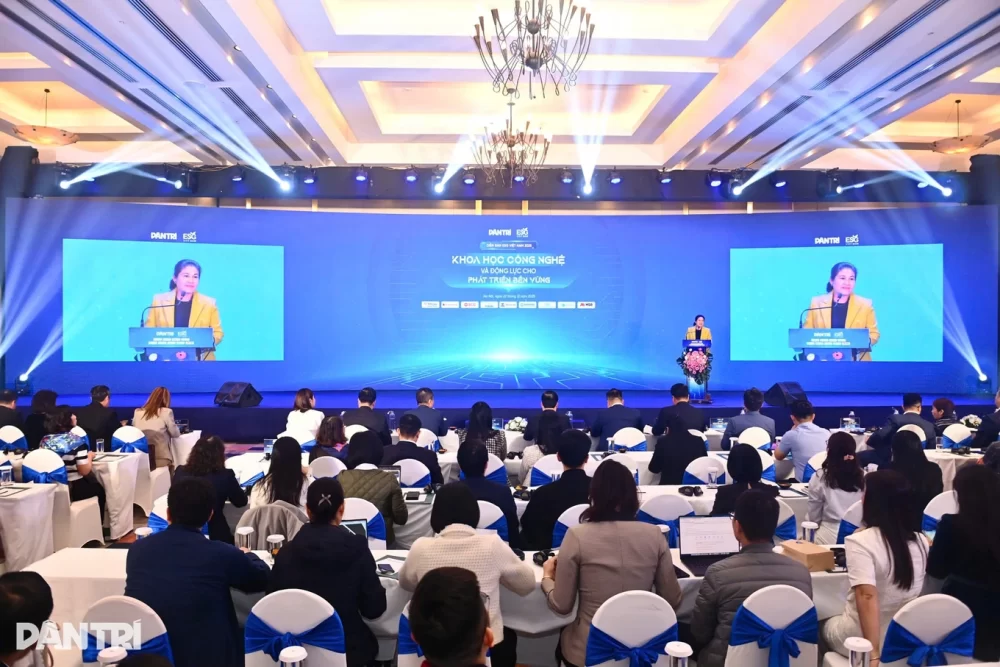
On the afternoon of December 22, at the Pullman Hotel (Hanoi), Dan Tri Newspaper successfully organized the Vietnam ESG Forum 2025 under the theme “Science, Technology, and Drivers for Sustainable Development.”
- 1
- 2