


Responsible Business Vietnam Co., Ltd. (RBV) has been officially selected by the International Labour Organization (ILO) as the Implementation Partner of the Better Work Vietnam Programme to deliver factory engagement activities, following a rigorous assessment of its legal standing, technical expertise, governance systems and quality assurance mechanisms.
Activities
Holiday Announcement: National Day 2026
Responsible Business Vietnam respectfully announces the National Day holiday schedule of our Company from August...
Continue reading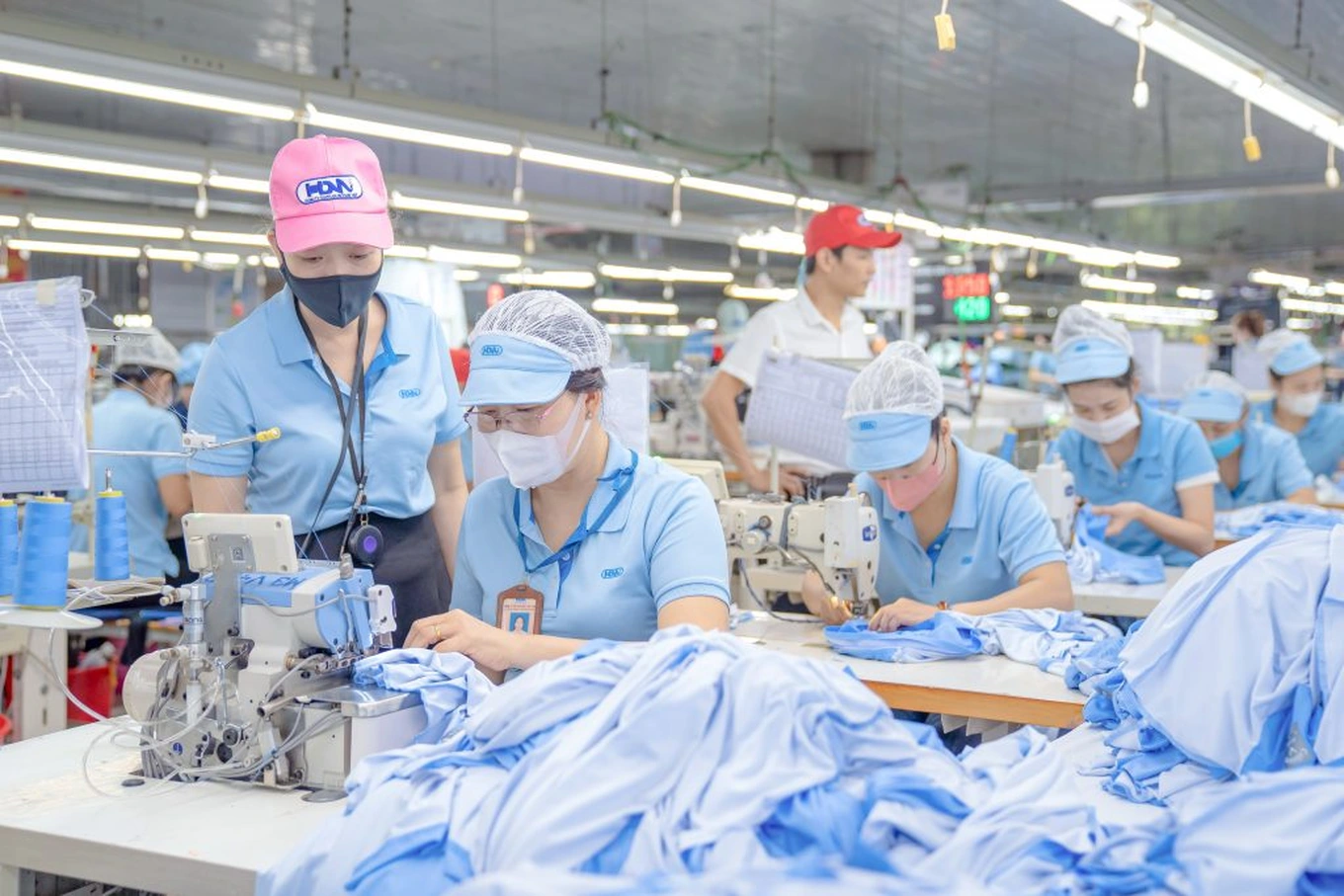
Activities News
RBV is proud to be officially selected by ILO as the Implementation Partner of the Better Work Vietnam Programme
Responsible Business Vietnam Co., Ltd. (RBV) has been officially selected by the International Labour Organization...
Continue reading
17
Aug
Aug

News
Decree 292/2026/ND-CP: Vietnam Officially Bans the Import of Goods Linked to Forced Labor
On 22 July 2026, the Government issued Decree No. 292/2026/ND-CP detailing certain articles and measures...
Continue reading
24
Jul
Jul

News
OECD Releases 2026 Responsible Business Outlook
On 30 June 2026, marking the 50th anniversary of the OECD Guidelines for Multinational Enterprises...
Continue reading
11
Jul
Jul
News
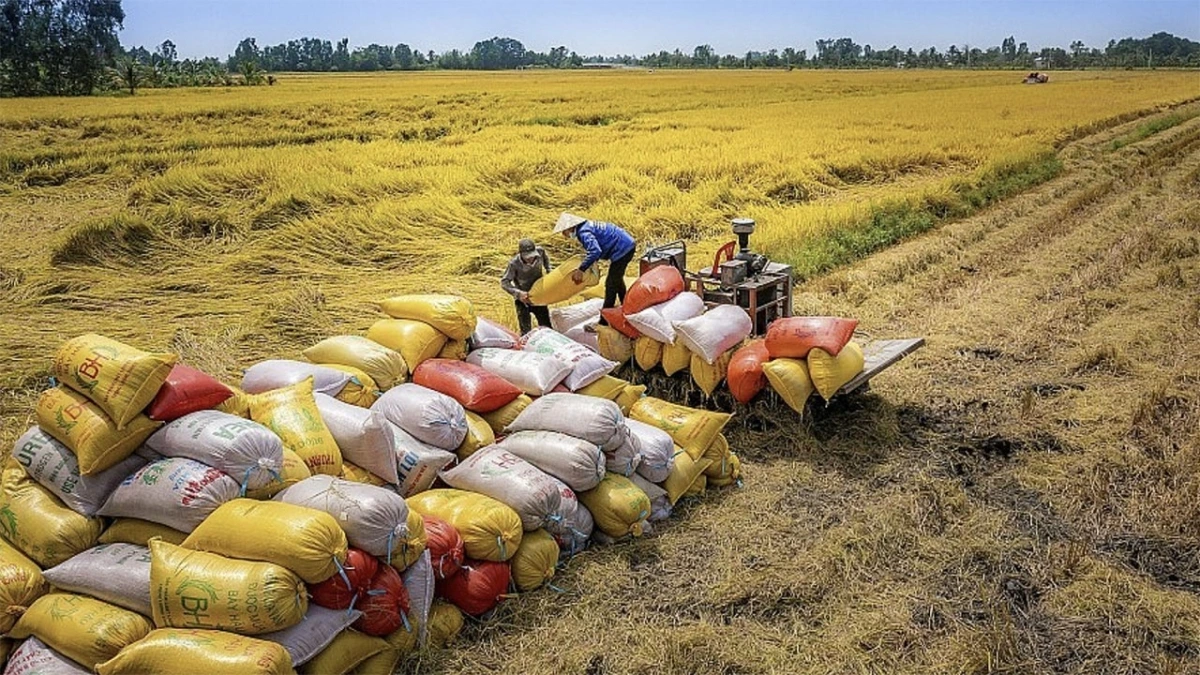
Viet Nam and EFTA Conclude FTA Negotiations
News Viet Nam and EFTA Conclude FTA Negotiations after Nearly 14 Years: Implications for Businesses...
Continue reading
04
Jul
Jul
24
Jul
Jul
On 22 July 2026, the Government issued Decree No. 292/2026/ND-CP detailing certain articles and measures for implementing the Law on Foreign Trade Management, replacing Decree 69/2018/ND-CP. The Decree takes effect from 5 September 2026. For the first time, the List of Goods Banned from Import (Appendix I) adds a category of products wholly or partly extracted, produced, or manufactured through forced labor. The new regulation was issued as the United States, the EU, Australia, the United Kingdom, and other trading partners are simultaneously tightening supply chain controls on forced labor.
11
Jul
Jul
On 30 June 2026, marking the 50th anniversary of the OECD Guidelines for Multinational Enterprises on Responsible Business Conduct (MNE Guidelines), the OECD released its first global assessment of responsible business conduct practices among the 10,000 largest listed companies worldwide and government policies across 52 countries.
04
Jul
Jul
News Viet Nam and EFTA Conclude FTA Negotiations after Nearly 14 Years: Implications for Businesses Exporting to These Markets? On 2 July 2026, Viet Nam and the European Free Trade Association (EFTA) — Iceland, Liechtenstein, Norway and Switzerland — officially announced the conclusion of negotiations on a comprehensive Free Trade Agreement, opening a new gateway…
03
Jul
Jul
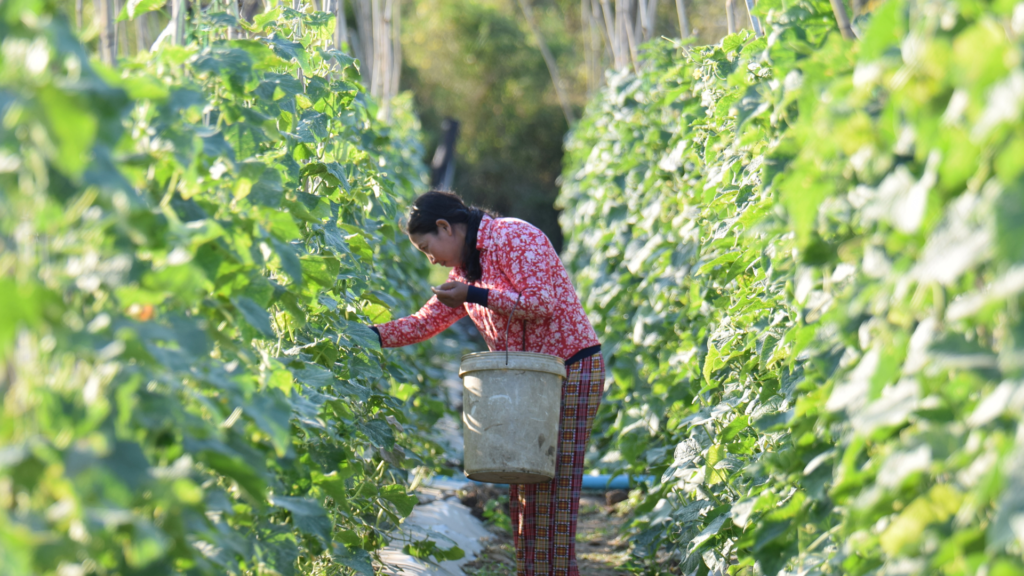
On 30 June 2026, the European Commission published the Forced Labour Single Portal together with a set of guidance materials to help businesses, authorities and other stakeholders prepare for the EU Forced Labour Regulation — the rule that bans products made with forced labour from entering the EU market.

31
May
May
The Programme aims to support private sector businesses — including enterprises, business households, and cooperatives — to grow with higher quality and efficiency, balancing economic performance with social responsibility and environmental protection.

22
Mar
Mar
The adoption of the EU Corporate Sustainability Due Diligence Directive (CSDDD) marks a significant regulatory shift from voluntary commitments to legally binding obligations for companies to identify, prevent, mitigate, and remediate adverse human rights and environmental impacts across their operations and value chains.
News
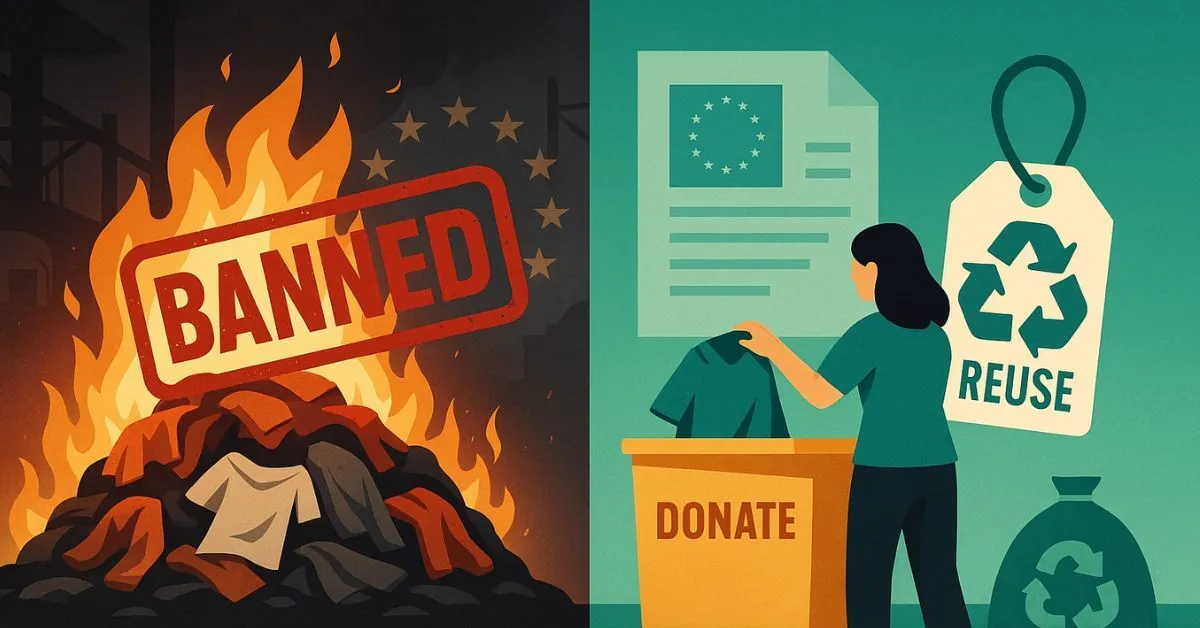
EU Bans Destruction of Unsold Clothes and Shoes: A Major Step for the Environment and the Circular Economy
20
Feb
Feb
On February 9, 2026, the European Commission officially adopted new rules under the Ecodesign for Sustainable Products Regulation (ESPR) aimed at preventing the destruction of unsold essential goods, particularly clothing, accessories, and footwear — one of the significant sources of resource waste and greenhouse gas emissions across the Union.
24
Dec
Dec
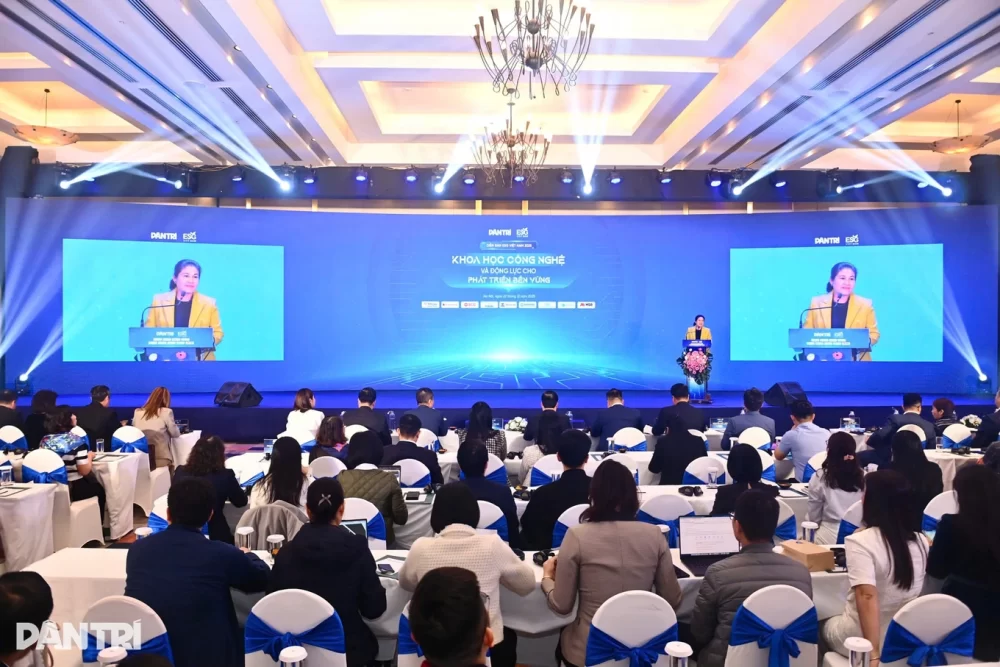
On the afternoon of December 22, at the Pullman Hotel (Hanoi), Dan Tri Newspaper successfully organized the Vietnam ESG Forum 2025 under the theme “Science, Technology, and Drivers for Sustainable Development.”
17
Dec
Dec
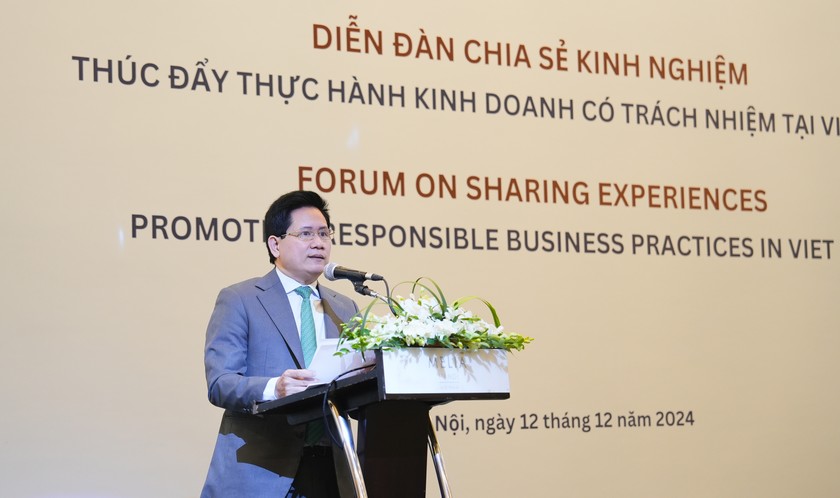
On 14 July 2023, the Prime Minister of Vietnam issued Decision No. 843/QD-TTg on the “National Action Program to Improve Policies and Laws to Promote Responsible Business Practices in Vietnam for the 2023–2027 period.
07
Dec
Dec
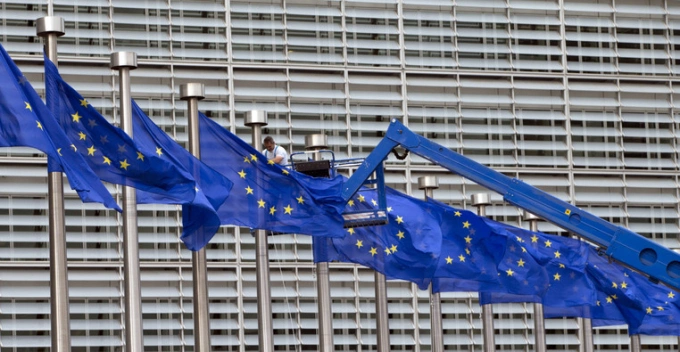
CS3D (Corporate Sustainability Due Diligence Directive) is EU Directive 2024/1760, which requires large enterprises to mandatorily conduct environmental, social, and human rights risk due diligence across their entire value chain, from internal operations to suppliers and certain business partners.