


- What is CS3D?
CS3D (Corporate Sustainability Due Diligence Directive) is EU Directive 2024/1760, which requires large companies to conduct mandatory environmental, social, and human rights due diligence across their entire value chain, from internal operations to suppliers and certain business partners.
Key Milestones of CS3D
- 23/02/2022: The European Commission (EC) published the first proposal for CS3D.
- 24/04/2024: The European Parliament adopted the text negotiated with the Council.
- 24/05/2024: The Council of the EU formally approved CS3D.
- 13/06/2024: The Directive was officially adopted as Directive (EU) 2024/1760.
- 05/07/2024: CS3D was published in the Official Journal of the European Union.
- 25/07/2024: CS3D officially entered into force across the EU.
Implementation timeline:
- EU Member States have around two years to codify CS3D into national law (latest deadline: 26/07/2027, under the amending Directive (EU) 2025/794).
- Corporate obligations will be phased in from 2027–2029 (with certain reporting obligations applying from financial years 2029–2030), starting with the largest companies.
See more about EU CS3DD here.
Although CS3D currently applies mainly to very large EU and non-EU corporations, its impacts will strongly cascade throughout global supply chains, including Vietnam.
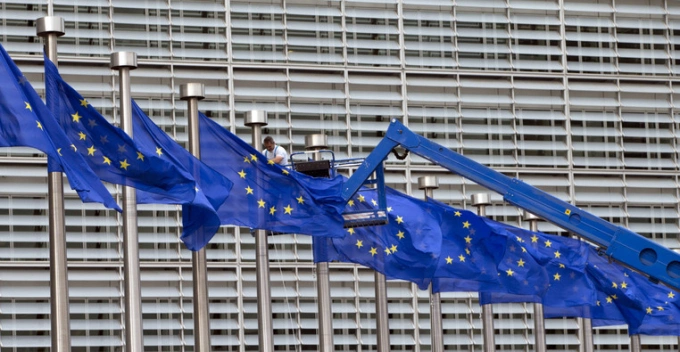
- Core Requirements of CS3D
Companies within the scope of CS3D must establish a robust due diligence system, including:
-
- Integration into governance and policies
- Issuing policies on human rights and the environment;
- Assigning oversight responsibilities to the Board of Directors and/or executive management;
- Embedding sustainability criteria into procurement and supplier selection.
- Risk identification and prioritization
- Mapping business operations and supply chains;
- Identifying risks related to labor, communities, and the environment;
- Prioritizing action based on severity and likelihood.
- Prevention, mitigation, and remediation
- Adjusting contracts and supplier selection criteria;
- Requiring and supporting suppliers to improve practices;
- Establishing clear escalation pathways if partners fail to remediate (from warnings to termination of business relationships).
- Grievance and stakeholder engagement mechanisms
- Establishing grievance channels for workers, communities, and civil society organizations;
- Ensuring confidentiality and protection against retaliation.
- Monitoring and reporting
- Tracking effectiveness and updating regularly;
- Public disclosure aligned with other EU sustainability reporting requirements (such as CSRD).
- Integration into governance and policies
Sanctions: Each EU Member State will designate a supervisory authority and may impose fines of up to 5% of global turnover, along with public “naming and shaming” and civil liability mechanisms for affected victims..
- How Is CS3D Being Implemented?
Following its publication in the Official Journal on 05/07/2024 and entry into force on 25/07/2024, key next steps include:
- April 2025: Adoption of Directive (EU) 2025/794, adjusting and postponing certain application deadlines (“stop-the-clock”) to give companies more preparation time;
- By 26/07/2027: EU Member States must complete the transposition of CS3D into national law;
- 2027–2029: Phased application of CS3D to expanding groups of companies based on revenue and workforce size, starting with the largest corporate groups;
In parallel, the European Commission will issue guidance, FAQs, and “administrative burden reduction” packages. However, the core requirement—mandatory human rights and environmental due diligence across the value chain—remains unchanged.
- Impacts on Vietnamese Business Community
Indirect impacts through supply chains (the most immediate effect)
- EU customers in sectors such as textiles and garments, footwear, electronics, agriculture and fisheries, timber, and logistics are likely to:
- Require Vietnamese suppliers to demonstrate compliance with labor and environmental standards;
- Insert ESG clauses and indicators on occupational safety, working hours, wages, and emissions into contracts;
- Request traceability data, audit results, and sustainability certifications.
Vietnamese enterprises that fail to meet these requirements risk being removed from supplier lists and losing opportunities to sign new contracts or renew existing ones with EU clients during 2027–2030, when EU companies face the strongest CS3D compliance pressure.

Conversely, enterprises that proactively raise their standards ahead of 2027–2029 will become more “preferred” partners for EU customers, as they help clients comply more quickly and with lower risk.
- What Should Vietnamese Enterprises Do Now?
Whether SMEs or large corporations, enterprises can start with five key actions:
- Raise awareness at the leadership level (2025–2026);
- Map supply chains and risks (within the first 3–6 months);
- Develop due diligence policies and procedures (to be completed before EU customers significantly tighten requirements from 2027);
- Establish grievance mechanisms for workers and stakeholders;
- Align with ESG strategy and branding positioning (2025–2030).
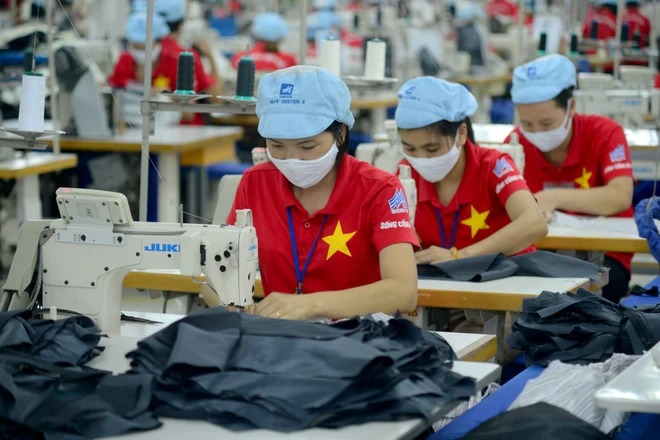
- Partnering with Responsible Business Vietnam
If your enterprise:
- Is exporting to, or seeking deeper market access in, the EU during 2027–2030;
- Is being required by customers to comply with supply chain due diligence regulations, grievance mechanisms, or ESG policies but lacks clear answers;
- Or wants to stay ahead of the curve to upgrade governance standards and brand value,
then now is the right time to begin building a structured responsible business system—before CS3D’s legal milestones fully take effect.
Responsible Business Vietnam can support your enterprise by:
- Delivering targeted training for leadership and core teams on CS3D, ESG, and business and human rights;
- Conducting gap analyses between current practices and EU customer / CS3D requirements;
- Designing and implementing practical due diligence systems tailored to the sector, size, and resources of Vietnamese enterprises;
- Supporting internal communications and dialogue with international customers, helping you credibly demonstrate your improvement roadmap.